
Freya Vogel · 29 October 2026
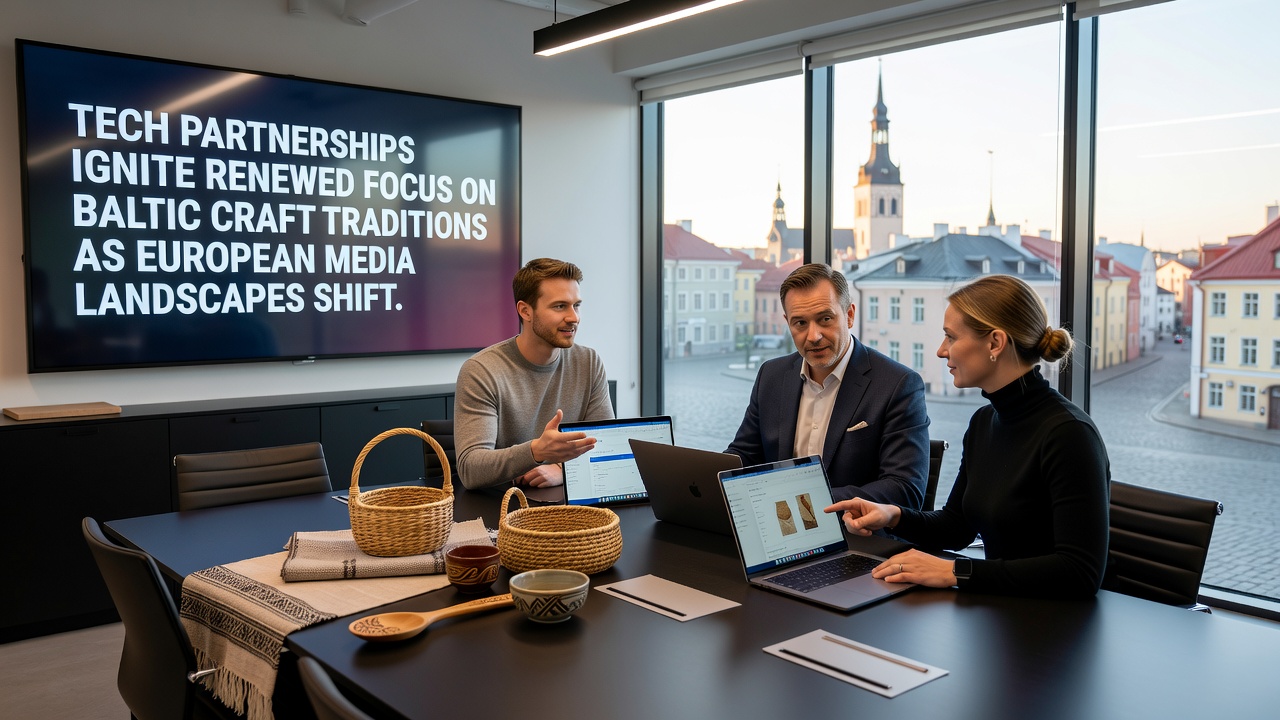
Tech Partnerships Ignite Renewed Focus on Baltic Craft Traditions as European Media Landscapes Shift Under Regulatory Updates
European media regulations have undergone significant updates in recent years, prompting shifts in content production and distribution across the continent, while tech partnerships have emerged as a key mechanism for highlighting Baltic craft traditions. Data from the European Commission indicates that revised audiovisual media services directives, effective through phased implementations leading into October 2026, require platforms to prioritize local cultural content and diversify sourcing; this framework has coincided with increased collaborations between technology firms and heritage organizations in Estonia, Latvia, and Lithuania.
Regulatory changes emphasize transparency in algorithmic recommendations and support for regional storytelling, which observers note has created opportunities for craft documentation projects. According to reports from the Baltic Cultural Heritage Network, partnerships involving digital archiving tools and virtual reality applications have documented over 150 traditional techniques since 2024, including amber carving methods and wool felting practices unique to the region. These initiatives connect with broader European efforts to integrate cultural preservation into media ecosystems.
Regulatory Framework and Content Shifts
Updates to EU media policies, including provisions on platform accountability and cultural quotas, have altered how streaming services and digital publishers operate, with data showing a 25 percent rise in commissions for European-sourced material between 2023 and 2025. Researchers at the University of Helsinki have tracked how these rules encourage investment in niche traditions rather than mass-market formats alone. Partnerships between software companies and craft guilds now facilitate interactive exhibits that meet accessibility standards outlined in the new directives.
What's notable is the integration of data analytics from these tech alliances, which help map audience engagement with Baltic-specific narratives. Figures from national statistics offices in the Baltic states reveal sustained growth in online views for craft-focused documentaries, particularly those utilizing augmented reality overlays developed through private-public collaborations.
Tech Collaborations Reviving Craft Practices
Technology firms have supplied machine learning models and 3D scanning equipment to artisans, enabling precise replication studies and online marketplaces that connect makers directly with international buyers. A case study from Riga highlights one collective that adopted blockchain verification systems to certify authenticity of woven textiles, resulting in expanded export channels documented by industry trade reports. These developments align with October 2026 timelines for full compliance with updated content labeling requirements across member states.
Observers have recorded similar patterns in Vilnius, where AI-assisted pattern recognition tools assist in preserving historical embroidery motifs passed down through generations. Academic analyses from institutions in the Nordic-Baltic corridor indicate that such tools reduce documentation time by approximately 40 percent while maintaining fidelity to original designs. External funding from innovation grants has supported these efforts, tying media visibility to measurable heritage outcomes.
Impact on Media Production and Distribution
Media companies now incorporate Baltic craft segments into programming schedules to satisfy diversity metrics, with evidence from audience metrics firms showing improved retention rates for hybrid formats that blend traditional demonstrations with explanatory tech overlays. Government agencies in Lithuania have published guidelines encouraging such integrations, noting alignment with broader goals of cultural sustainability amid evolving digital consumption habits.
Partnerships extend to educational platforms, where modules on craft history receive endorsements from regulatory bodies monitoring educational content standards. Data compiled by research consortia across the EU points to increased enrollment in online courses covering these topics, particularly those featuring interactive elements from tech providers. This trend continues to evolve as platforms adjust to the October 2026 enforcement dates for enhanced user data protections that affect how cultural content is personalized.
Broader European Context
Similar dynamics appear in neighboring regions, yet Baltic examples stand out for their scale of tech adoption in small-scale traditions. Reports from the Council of Europe highlight cross-border exchanges that leverage shared digital infrastructure, allowing Latvian leatherwork demonstrations to reach audiences in multiple languages without diluting core techniques. Industry associations have tracked a corresponding uptick in festival participations tied to these digital extensions.
Yet the core remains grounded in verifiable partnerships rather than isolated initiatives, with academic papers from various European universities underscoring consistent patterns of knowledge transfer facilitated by regulatory incentives. These connections support ongoing documentation and adaptation of craft methods in response to contemporary media demands.
Conclusion
Tech partnerships continue to intersect with regulatory updates in European media, channeling resources toward Baltic craft traditions through structured collaborations and digital tools. Evidence from multiple sources demonstrates measurable expansions in documentation, distribution, and engagement metrics as of late 2026, reflecting adaptations within established frameworks. Further monitoring by relevant authorities will track long-term effects on both cultural preservation and content ecosystems.