Zoe Reed · 3 September 2026
European Podcasts Spotlight Women Editors Driving Shifts in Literary Prize Themes After Health Crises
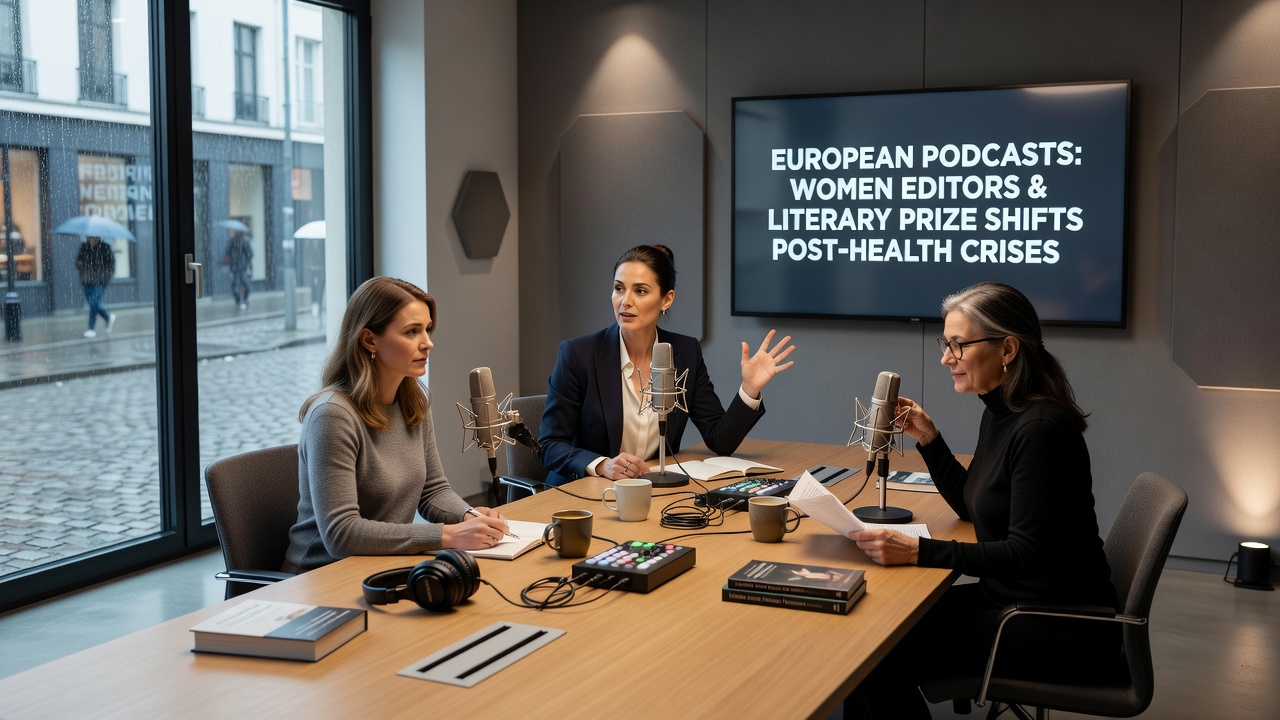
European podcasts have taken center stage in recent years as platforms that highlight women editors and their influence on literary prize themes following the widespread health crises of the early 2020s, and these audio series often feature extended interviews that connect editorial decisions with broader cultural adjustments across publishing houses in countries like Germany, France, and the Netherlands.
Data from literary organizations shows that many prizes adjusted their selection criteria after 2022 to include more narratives focused on recovery, mental health, and community resilience, while women editors played key roles in steering submissions toward these areas through targeted outreach and manuscript development programs.
Podcast Formats and Editorial Voices
Shows such as those produced by networks across the EU regularly invite editors to break down how they curate shortlists, and these discussions reveal patterns where themes around vulnerability and collective healing gained traction in awards like the German Book Prize and the Prix Goncourt after the initial waves of health disruptions subsided, according to reports from the European Writers' Council. Podcasts structure episodes around case studies of specific titles that made shortlists, and they incorporate audio clips from award ceremonies to illustrate how judging panels responded to new manuscript trends.
Listeners encounter segments that trace the timeline from health crisis impacts on author submissions through to the 2024 and 2025 award cycles, where editors describe implementing guidelines that prioritize works addressing long-term societal effects, and this approach has coincided with increased participation from writers in underrepresented regions of Europe.
Theme Evolution in Major Prizes
Research indicates that literary prizes began incorporating categories or special mentions for works dealing with post-crisis themes by 2023, and women editors contributed through collaborative workshops that helped refine submissions before they reached judging stages, as noted in analyses from academic centers in Scandinavia. These shifts appear in the types of books that win, with more emphasis on stories involving healthcare workers, family dynamics under strain, and environmental intersections with public health, while data from prize archives tracks a measurable rise in such motifs compared to pre-2020 selections.
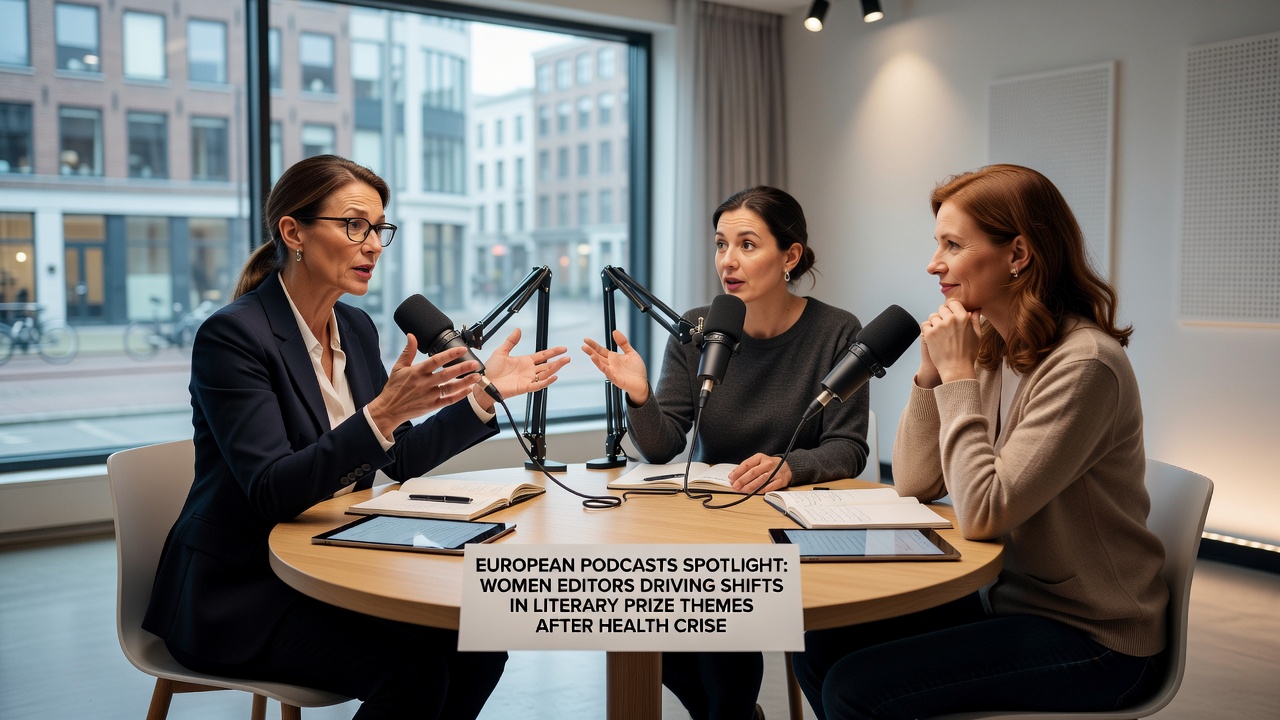
Podcasts often dedicate full seasons to exploring these changes, and they feature roundtable formats where multiple editors compare experiences across different countries, revealing how French and Italian publishing houses adapted their acquisition strategies in parallel ways, whereas Nordic markets leaned into translated works that reflected similar thematic evolutions. External factors such as funding from cultural ministries supported some of these editorial initiatives, and reports from the EU's Creative Europe program document grants allocated specifically for projects that bridged health crisis narratives with literary output.
September 2026 Developments and Ongoing Trends
By September 2026, several prominent European podcasts plan episodes that preview the next round of literary awards, and these installments will examine whether the emphasis on recovery-themed works continues to hold or expands into adjacent topics like digital isolation and climate-linked health challenges, based on patterns observed in prior cycles. Industry observers note that women editors continue to drive discussions around inclusive judging processes, and podcasts serve as the venue where these professionals share data on submission volumes and acceptance rates that reflect the ongoing adjustments.
Case studies presented in these audio formats include specific prizes that introduced new jury guidelines in 2025, and the episodes walk through how editorial input influenced the final outcomes without speculating on future results, drawing instead from verified lists and author statements.
Conclusion
European podcasts have documented and amplified the contributions of women editors to literary prize evolution in measurable ways since the health crises, and the content they produce provides a record of theme adjustments supported by prize records, editorial interviews, and organizational reports. This coverage continues into 2026 with scheduled programming that maintains focus on factual developments across the continent's publishing landscape.