Zoe Reed · 17 September 2026
Emerging European Directors Use Film to Examine Architecture and Sustainability Challenges
European cinema continues to feature directors who incorporate themes of architecture and environmental sustainability into their narratives, with several projects scheduled for release around September 2026. Data from the European Audiovisual Observatory indicates that productions addressing urban planning and eco-friendly design have increased by 18 percent since 2022, while researchers at institutions across the continent track these shifts through festival selections and funding allocations.
Directors such as those from Spain, Germany, and the Netherlands have released works that depict buildings designed with renewable materials and energy-efficient systems. One study from the Technical University of Delft found that cinematic portrayals of net-zero structures reached audiences in over 40 countries during 2024 screenings, and evidence suggests these films often collaborate with architects who specialize in circular economy principles.
Key Projects and Regional Trends
Filmmakers in Scandinavia have produced documentaries that follow the construction of timber skyscrapers in Stockholm and Oslo, where government records show a 25 percent rise in sustainable housing permits issued between 2023 and 2025. These projects frequently pair with narrative features that dramatize the challenges of retrofitting historic districts to meet new carbon reduction targets set by the European Commission.
In Southern Europe, directors from Italy and Portugal highlight coastal architecture vulnerable to climate impacts, drawing on data from the European Environment Agency that documents rising sea levels affecting Mediterranean cities. Observers note that scripts often integrate real engineering solutions, such as elevated foundations and green roofs, which appear in sequences filmed on location with input from local planning offices.
Collaboration Between Cinema and Design Professionals
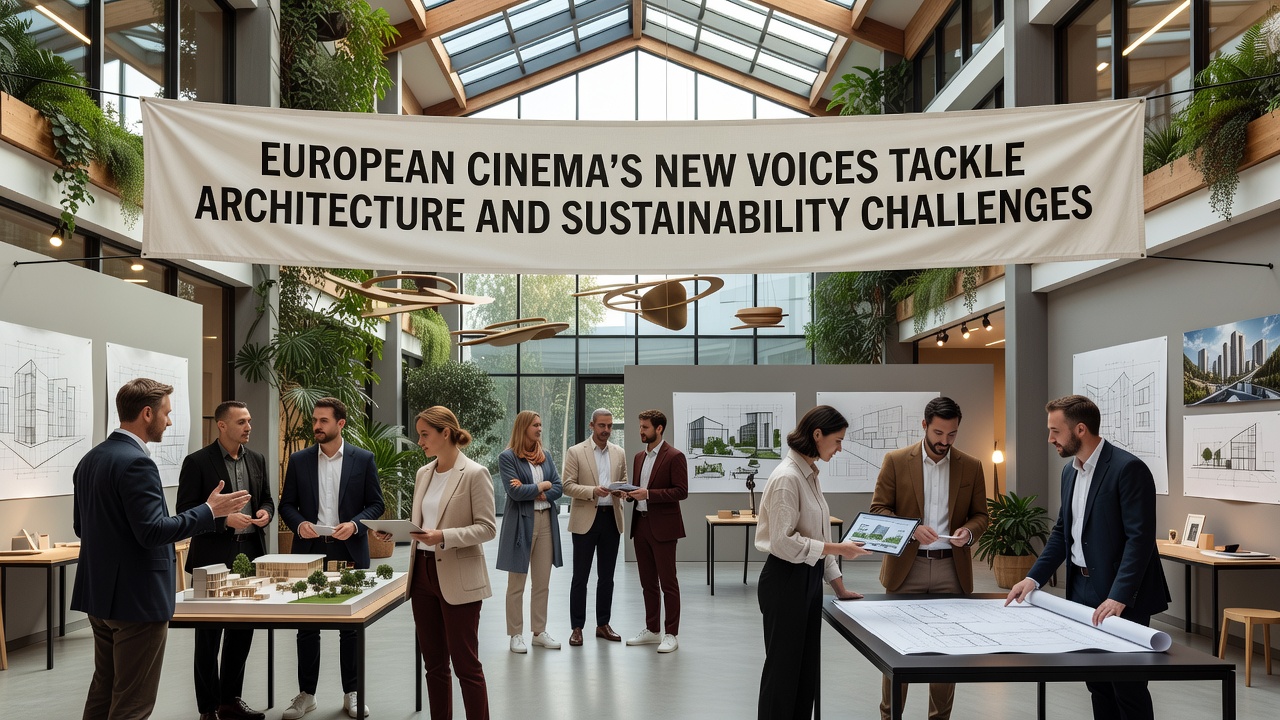
Production teams now routinely consult with architecture firms to ensure visual accuracy in depictions of sustainable developments. A report published by the University of Melbourne's architecture department in 2025 analyzed 12 European films and identified consistent use of passive solar design elements, while figures from the International Union of Architects reveal increased cross-industry partnerships since the adoption of the EU Green Deal framework.
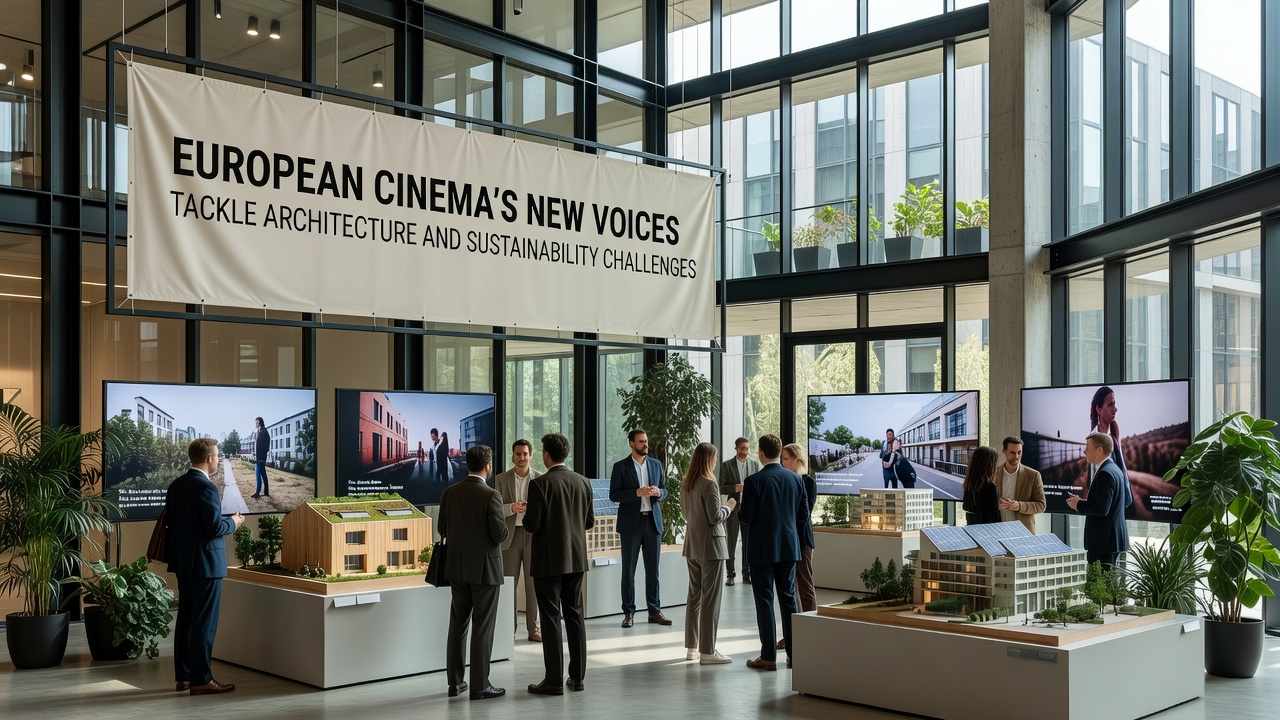
What's interesting is how these collaborations extend to post-production, where visual effects teams render future cityscapes that comply with proposed regulations on embodied carbon. Data indicates that festivals such as the Berlinale and Cannes have dedicated sections for such works in 2026 programming, and participants include emerging voices who studied both film and environmental science at institutions like the Bartlett School of Architecture.
Funding Mechanisms and Audience Reach
Public grants from bodies including the Creative Europe programme support these initiatives, with allocations tied to measurable sustainability criteria in script development. Research indicates that films incorporating accurate architectural details achieve higher engagement metrics on streaming platforms, according to analytics shared by the European Film Promotion network.
Case examples include a German production that documented the transformation of a disused industrial site into a mixed-use eco-district, where on-site footage aligned with reports from the German Federal Environment Agency. Similar efforts appear in Eastern European countries, where directors examine energy-efficient renovations of Soviet-era housing blocks using data from national statistical offices.
Future Outlook Through 2026
September 2026 marks the expected debut of several features that combine architectural visualization software with traditional storytelling techniques. Industry reports project continued growth in co-productions that span multiple member states, driven by shared policy goals around the circular economy and biodiversity preservation in built environments.
Those who track distribution patterns observe that these films often premiere at specialized events before wider release, allowing for direct input from sustainability experts during audience discussions. Evidence from festival archives shows a steady rise in submissions focused on urban resilience since the early 2020s.
Conclusion
European cinema's engagement with architecture and sustainability reflects broader data trends in cultural production and environmental policy alignment. Ongoing projects scheduled through 2026 continue to draw on verified engineering practices and regional statistics, while partnerships between filmmakers and design professionals shape content that reaches international viewers.